Field notes / 2 Sep 2026 · 7 min read
The other side of the table: judging the SIH internal round at Birla College
Two years ago I was the one pitching. On 2 September 2026, B.K. Birla College in Kalyan invited me to sit on the judging panel for their Smart India Hackathon internal round — and I learned more from the students than I expected to.
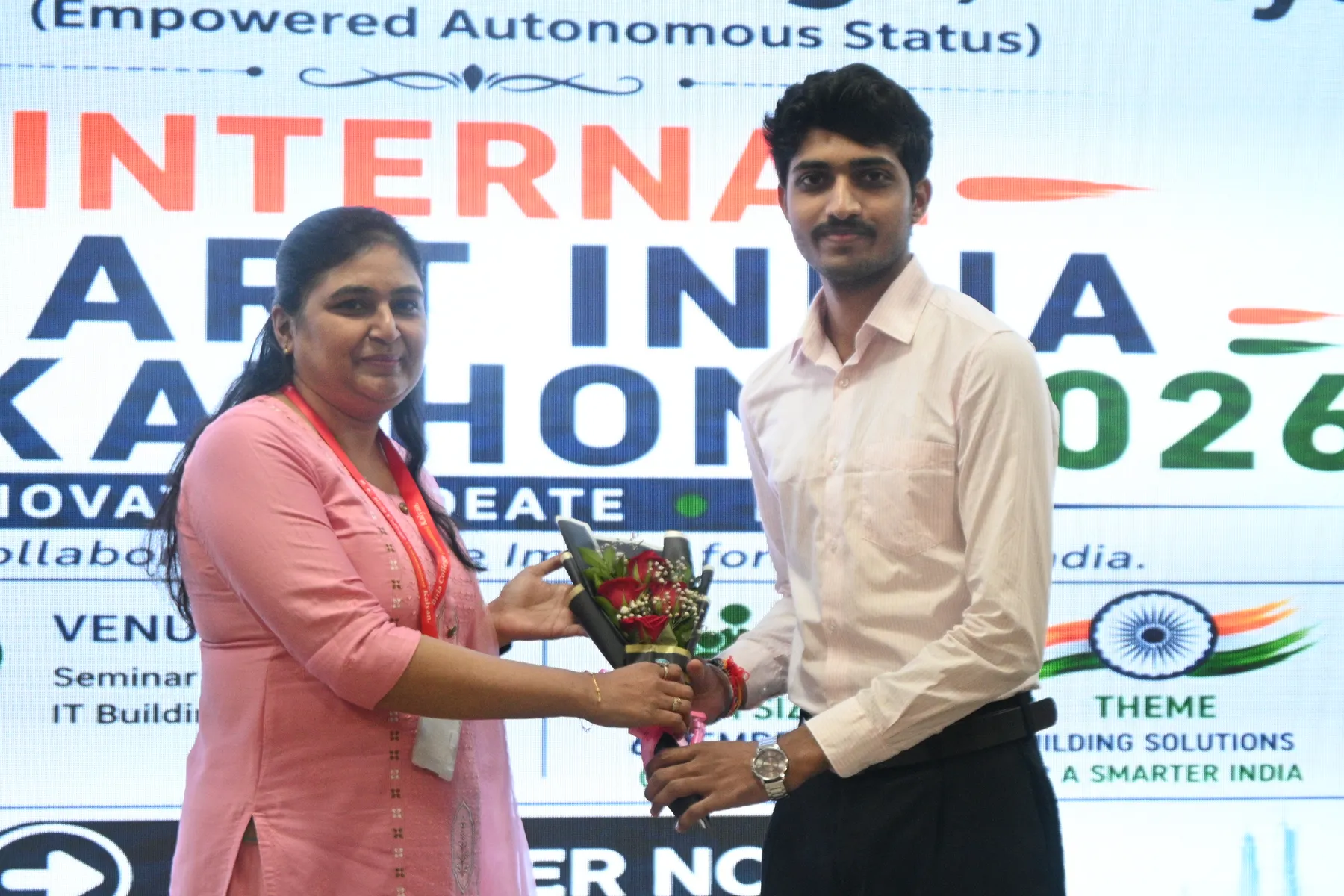
In 2023 and 2024 I was a student at these internal screening rounds, nervously waiting for my team's slot. Standing up for the bouquet this time, with the same SIH banner behind me, felt like a small loop closing.
For anyone unfamiliar: the Smart India Hackathon is India's largest national hackathon, and before a team gets anywhere near the national stage, they have to clear their own college's internal round. That's the round I was asked to judge. Teams pick a problem statement, build a working prototype, and get a few minutes to pitch it and demo it to a panel. Our job was to score them, ask hard questions, and decide who moves forward.
What the day looked like
The seminar hall in the IT building was packed. Team after team came up with ideas across healthcare, education, agriculture, civic tech, and a healthy amount of AI — which, let's be honest, showed up in nearly every pitch this year. The energy was genuinely infectious. Students had clearly been up late polishing slides, wiring up demos, and rehearsing lines.
We were a panel of three. One judge was a professor from Kirti College, Dadar. The other was a professor who, when we were introduced, turned out to be my own former professor — someone who had taught me not that long ago. Sitting next to her as a fellow judge, scoring the same teams, was easily the proudest moment of my day. I don't think either of us expected the student-teacher dynamic to flip that quickly.
The three of us made for a nice balance — the professors were looking at rigor and feasibility, while I found myself instinctively looking at what I look at every day at work: does this actually run, what happens at scale, what did you cut to make the deadline, and what would you build next.
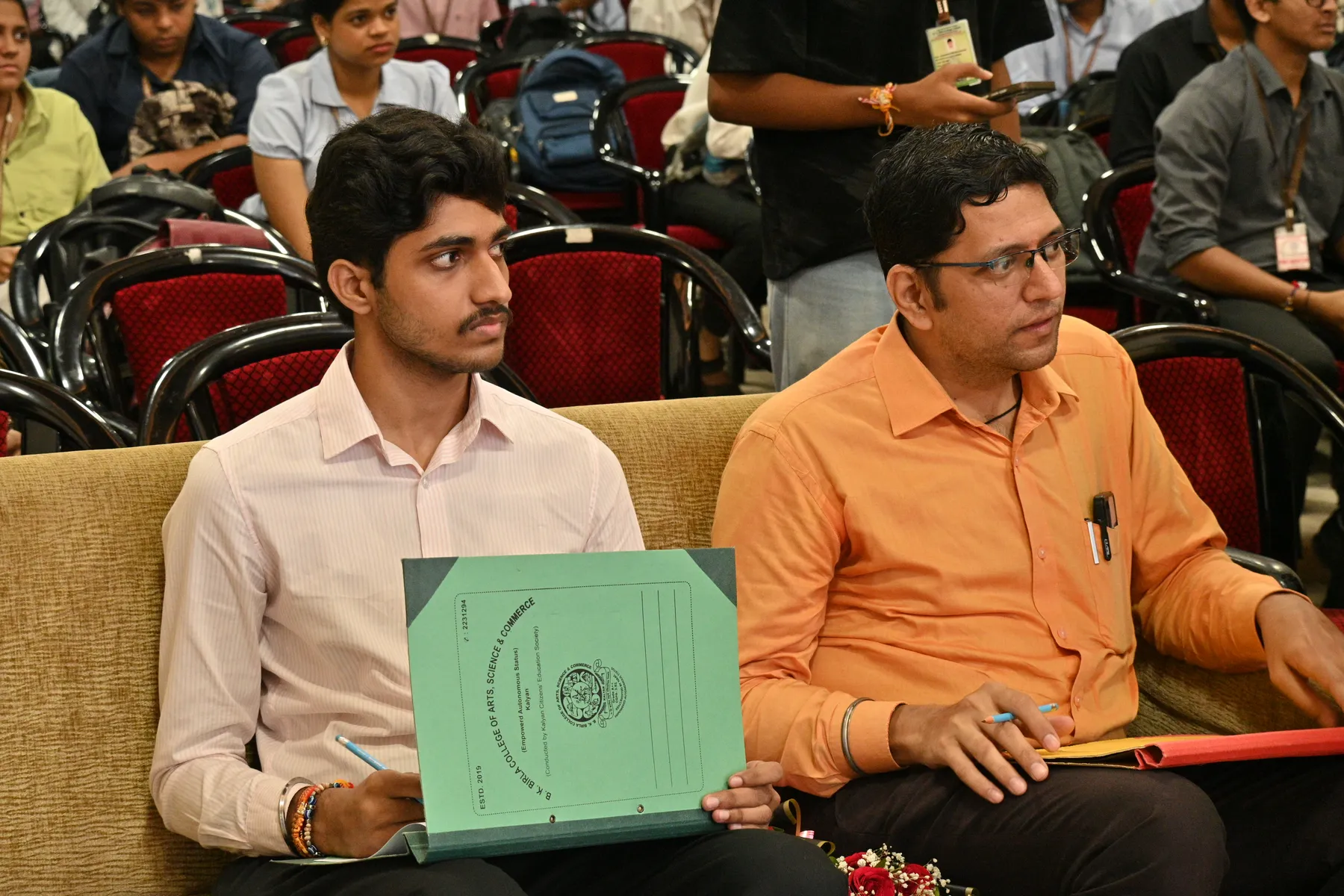
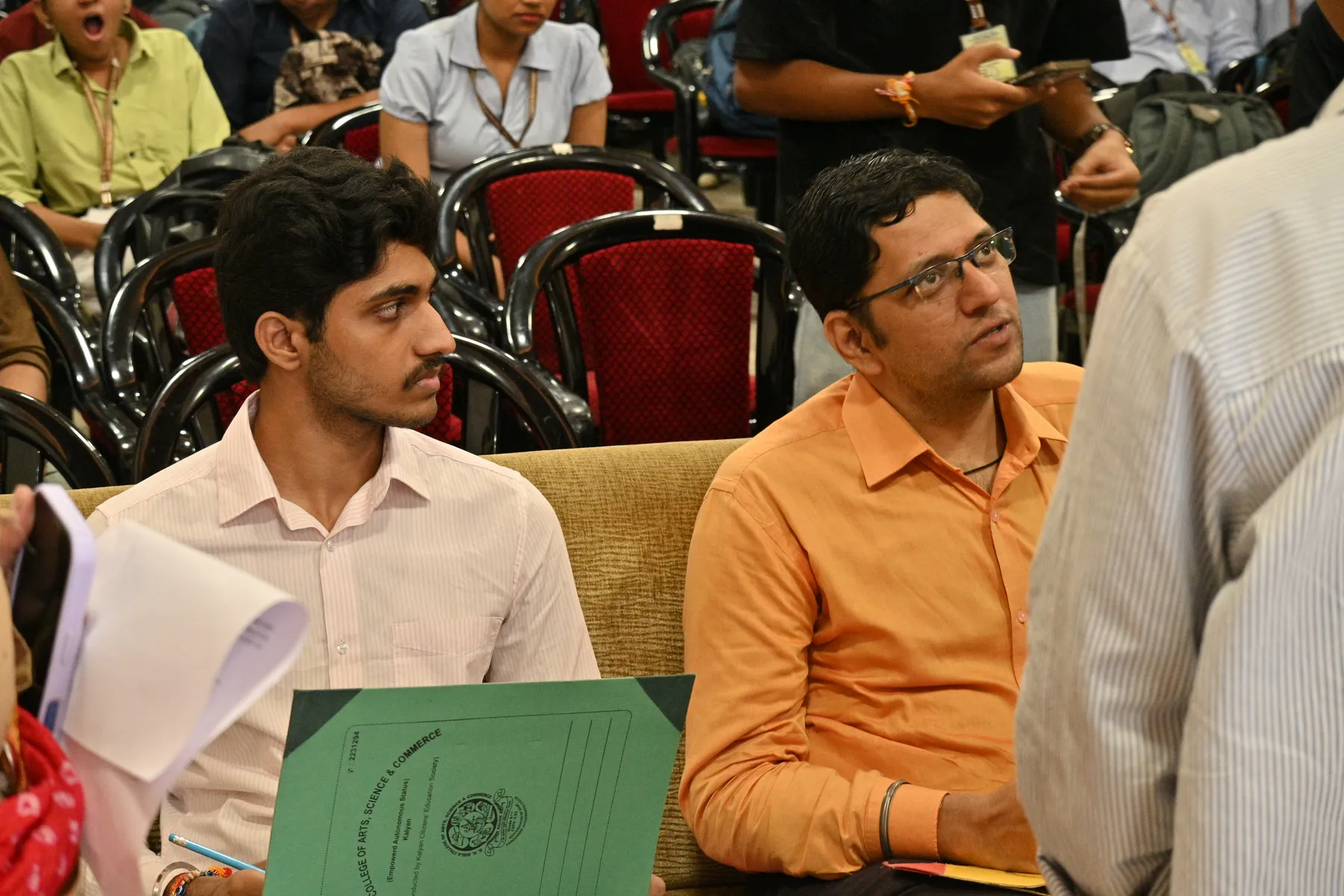
Reviewing the demos
The part I enjoyed most came after the pitches: sitting down with teams and going through the demos they'd actually built. Some were rough around the edges, some were surprisingly polished, and a few had that spark where you can tell the team cares about the problem and not just the prize.
I tried to give every team something concrete to take away — not "great job" but the kind of input I wish I'd received back when I was on the other side. Things like: your backend is doing three network calls where one would do; your demo breaks the moment the internet drops, and your users are in exactly the places where it will; you built a chatbot but the real value in your idea is the data pipeline behind it, lead with that. Watching a few teams light up and immediately start scribbling notes made the whole trip worth it.
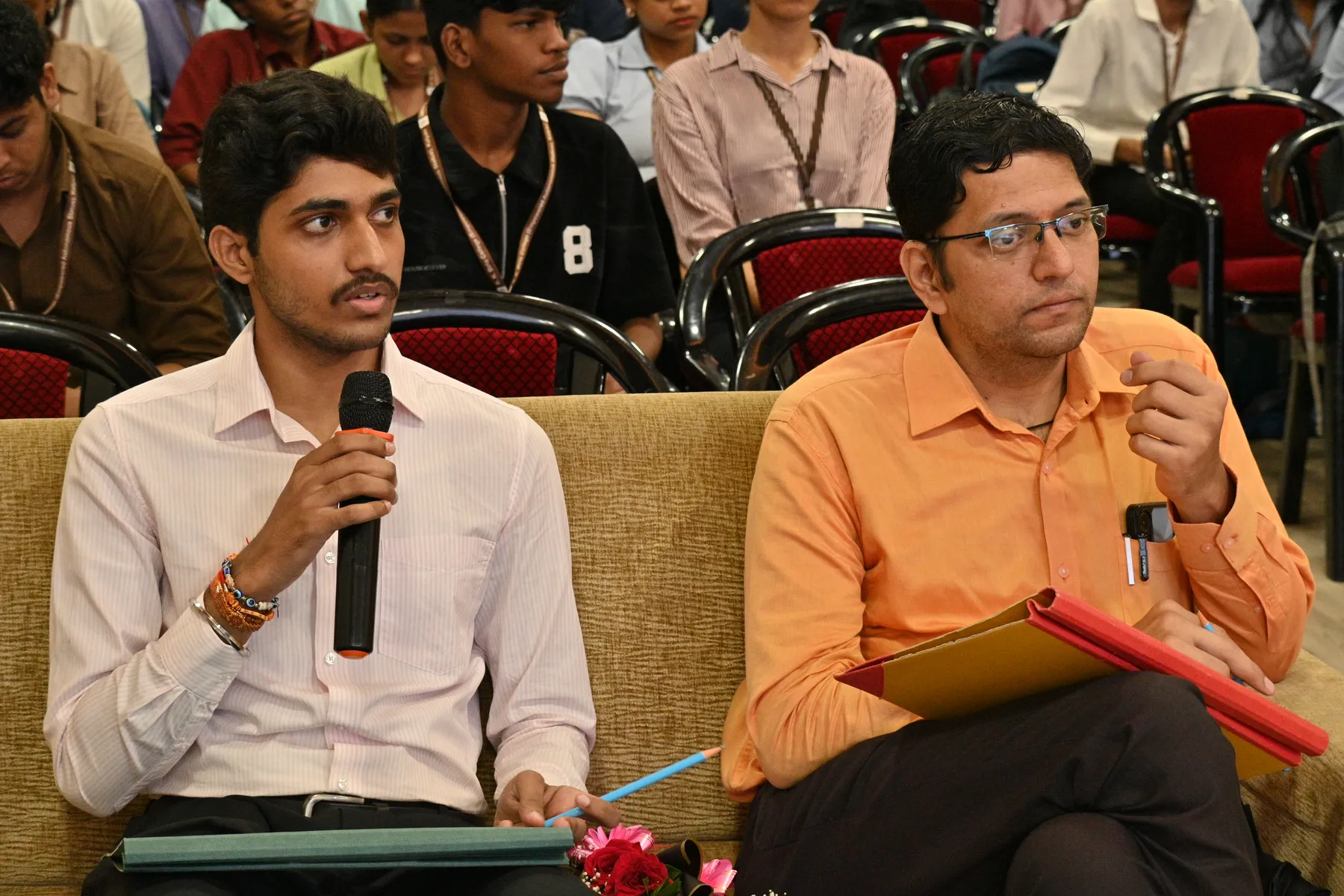
What I took home ↴
Ideas are cheap; framing is everything.
Several teams had nearly the same idea. The ones that stood out weren't more technical — they had a sharper answer to "who exactly is this for, and what do they do today instead?"
A running demo beats a perfect deck.
The teams that clicked through a live prototype, even a clunky one, earned more trust in thirty seconds than the best slides did in five minutes. Working software is the argument.
Students are asking the right questions.
I was asked about deployment costs, data privacy, and what happens when the LLM is wrong. These are the questions I get in production code reviews. The gap between campus and industry is smaller than people think.
Judging is a skill I want to get better at.
It's hard to be honest and encouraging in the same sentence, in under a minute, to someone who hasn't slept. I got better at it as the day went on. I'd like to keep practising.
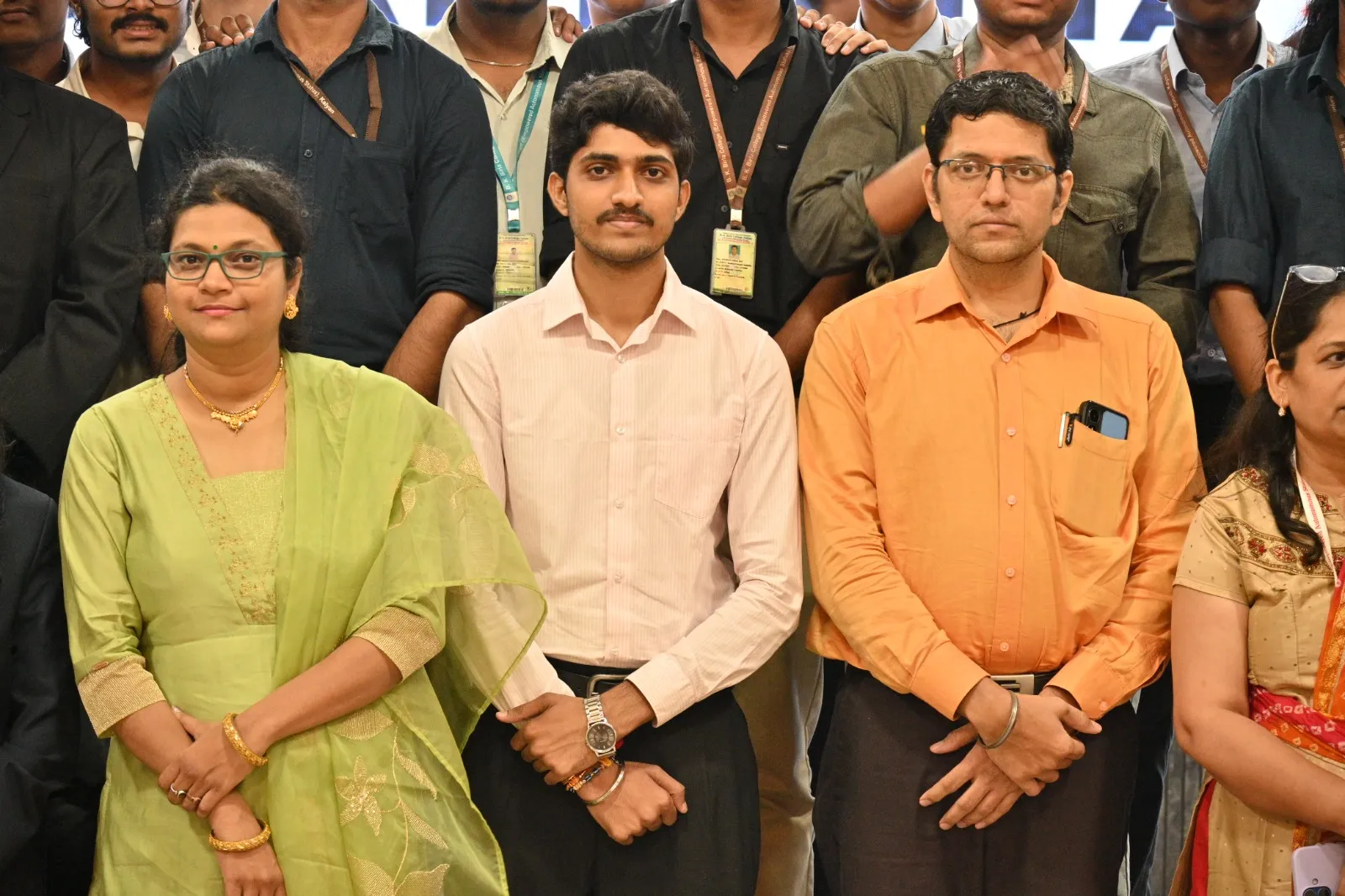
Thank you, Birla College
A sincere thank you to B.K. Birla College of Arts, Science & Commerce, Kalyan, and the faculty who invited me and ran the event so smoothly — and to my fellow judges for the company and the perspective. And to every team that pitched: the ones moving on to the next SIH round, go build something real. The ones who didn't — the idea you have today is the one you'll refine tomorrow. Most of the projects I'm proud of started as a hackathon build that didn't win.
If your college is running a hackathon and wants a judge who will actually run your demo and read your code, my inbox is open.